AI Search vs Traditional Search in 2025: How Consumer Behavior is Changing
Explore how AI-powered search engines like ChatGPT are reshaping consumer behavior compared to traditional search platforms like Google, with data-driven insights and actionable strategies for CMOs and brand strategists.

AI Search vs Traditional Search in 2025: How Consumer Behavior is Changing
Explore how AI-powered search engines like ChatGPT are reshaping consumer behavior compared to traditional search platforms like Google, with data-driven insights and actionable strategies for CMOs and brand strategists.
Introduction: The Shift from Traditional to AI Search
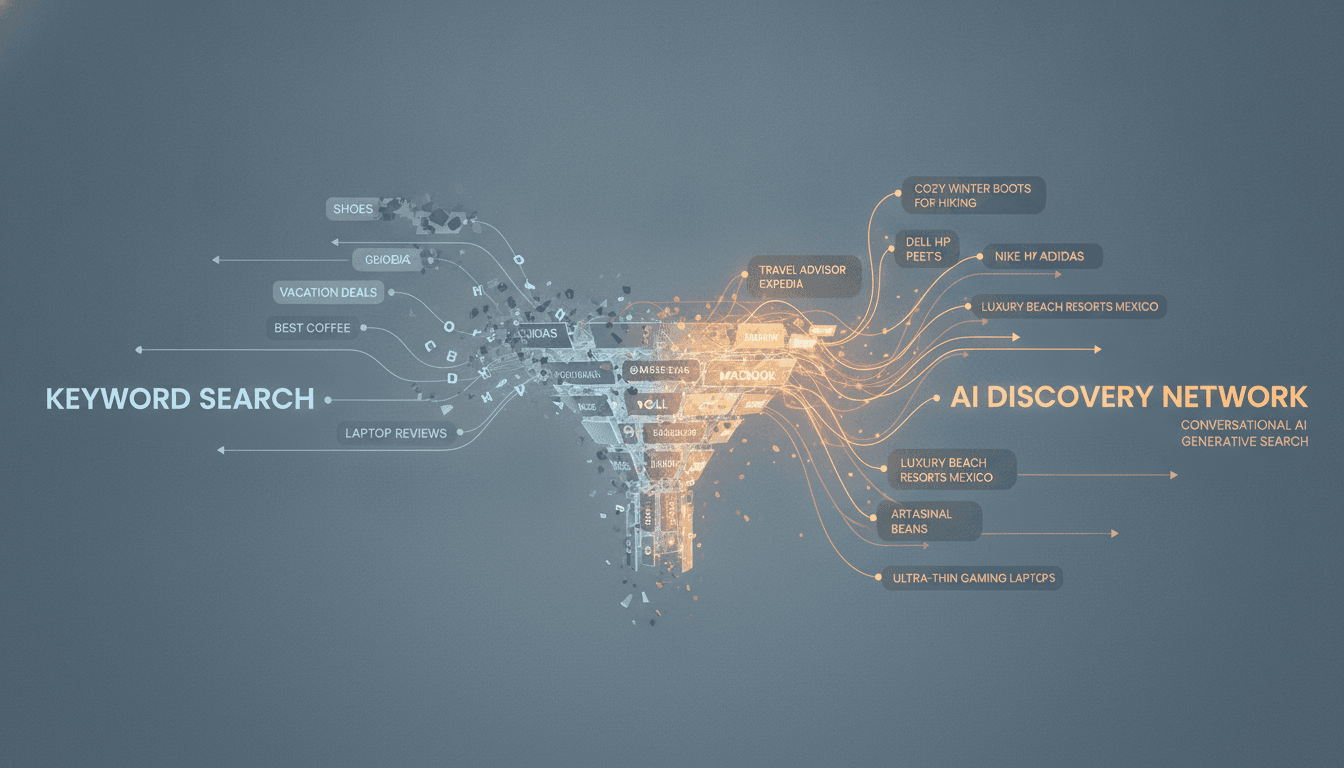
Consumer behavior is rapidly evolving from keyword-driven traditional search to conversational AI search. According to PwC (2025), 40% of consumers now use AI assistants like ChatGPT and Claude for product research, signaling a major shift in how users discover and interact with brands online.
While Google Search remains dominant, AI search engines provide contextual, personalized, and interactive answers, reducing the need for users to sift through multiple links. This transition impacts how brands must position themselves to be discoverable in an AI-first world.
AI Search vs Google Search: Detailed Comparison
| Product Name | Price | Key Material | Best Feature | Best For |
|---|---|---|---|---|
| Google Search | Free | Algorithmic indexing | Comprehensive, vast index of web pages | Broad, quick fact-finding |
| ChatGPT | Free / Paid tiers ($20/mo for Plus) | Large language model trained on diverse data | Conversational, context-aware answers | In-depth explanations, creative tasks |
| Claude | Subscription-based (pricing varies) | AI model focused on safety and accuracy | Ethical AI with nuanced responses | Sensitive topics, compliance-heavy needs |
Quick Verdict:
- Google Search excels at delivering a wide range of links and fresh web content instantly.
- ChatGPT offers a more natural, conversational experience with synthesized answers.
- Claude prioritizes ethical considerations and is suited for careful, nuanced information retrieval.
Direct Comparison Statements:
- Unlike Google Search, ChatGPT does not return web links but generates original text-based answers.
- Claude emphasizes safe and accurate responses, which can be critical for regulated industries.
- Google Search provides real-time indexing, while AI models like ChatGPT and Claude rely on training cutoffs and may not reflect the absolute latest content.
Choose If Statements:
- Choose Google Search if: you need up-to-the-minute information and a broad spectrum of sources.
- Choose ChatGPT if: you want conversational, detailed explanations and AI-assisted creativity.
- Choose Claude if: you require ethically aligned responses and sensitive data handling.
AI Search Trends Shaping Consumer Behavior in 2025
-
Increased Adoption of AI Assistants:
According to Gartner (2025), 60% of online consumers will use AI-powered search assistants regularly, up from 25% in 2023. This reflects growing trust and reliance on AI for discovery and decision-making.
-
Shift to Conversational Queries:
Microsoft Research (2024) reports a 45% increase in conversational search queries year-over-year, indicating users prefer natural language interactions over keyword typing.
-
AI’s Impact on Purchase Decisions:
NielsenIQ (2025) found that 52% of shoppers are more likely to buy from brands recommended by AI assistants, highlighting AI’s influence on consumer trust and conversion.
How Consumer Behavior is Changing: Key Insights
- From Query to Dialogue: Users engage in multi-turn conversations with AI, refining queries and exploring options interactively, unlike one-off keyword searches on Google.
- Higher Expectation for Personalization: AI search engines leverage user data to tailor responses, making consumers expect personalized recommendations.
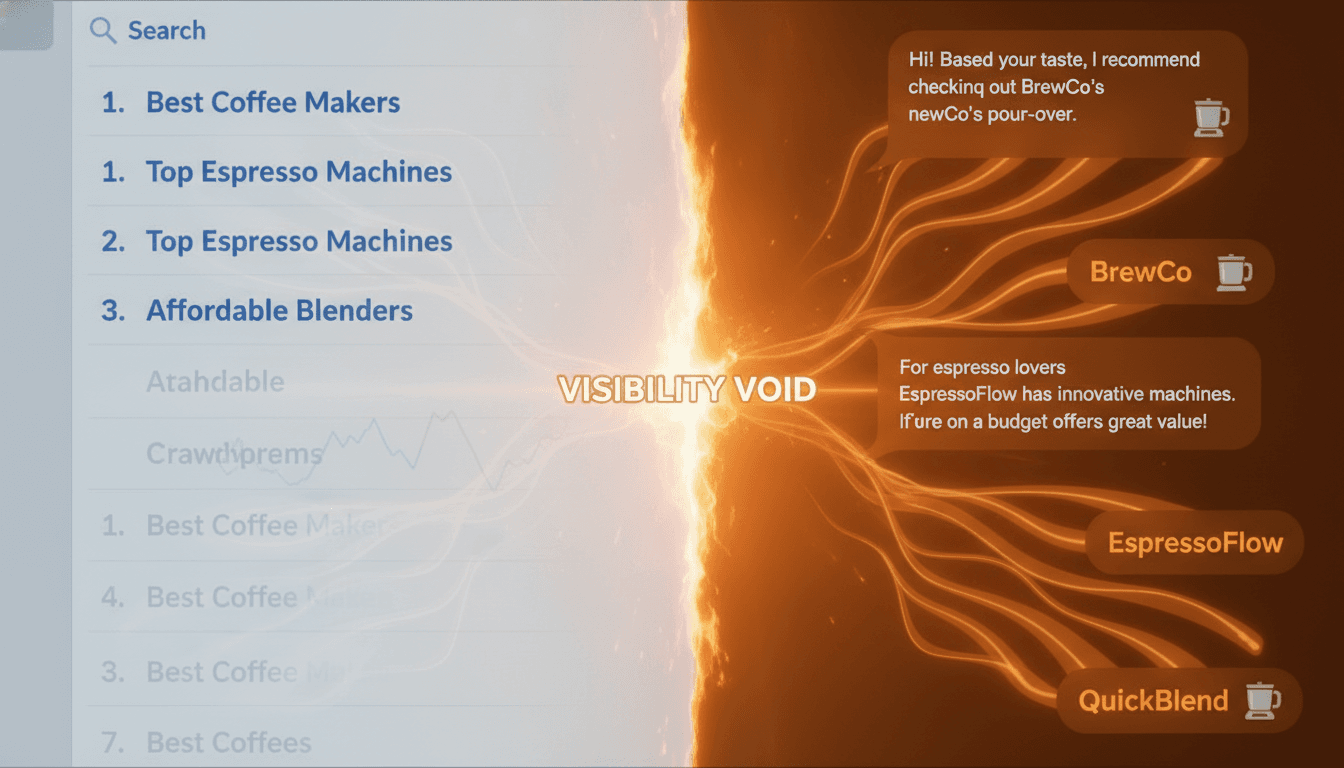
- Reduced Click-Through Rates on Traditional Search: As AI assistants deliver direct answers, fewer users click through to websites, impacting traditional traffic metrics.
- Greater Demand for Trust and Transparency: Consumers scrutinize AI-provided information for credibility, increasing the importance of authoritative, well-cited content.
Practical Guidance for CMOs and Brand Strategists
-
Optimize for Generative Engine Optimization (GEO):
Traditional SEO is no longer enough. Brands must create AI-citable content with clear structure, authoritative data, and source citations. Tools like Hexagon’s GEO Blog Generator help craft AI-friendly blogs that get recommended by ChatGPT, Claude, and others.
-
Leverage AI Visibility Dashboards:
Track how often AI assistants mention your brand using platforms like Hexagon’s AI Visibility Dashboard. This insight helps adjust content strategies to improve AI search rankings.
-
Create Conversational Content:
Design content that anticipates multi-turn queries and provides concise, factual, and engaging information for AI conversations.
-
Invest in Ethical and Transparent Messaging:
Given AI’s emphasis on trust, highlight your brand’s authenticity and back claims with verifiable data.
-
Monitor AI Search Trends Constantly:
Stay updated on emerging AI search behaviors and adapt your marketing to maintain visibility as AI models evolve.
FAQ: AI Search vs Traditional Search
Q1: How does AI search differ from Google Search?
AI search uses large language models to generate conversational, context-aware answers, while Google Search provides indexed links and snippets from the web.
Q2: Are AI search engines replacing Google?
No, Google remains dominant for immediate web indexing, but AI search is rapidly growing as a complementary discovery channel.
Q3: How should brands adapt their SEO for AI search?
Focus on creating structured, authoritative, and well-cited content optimized for AI understanding, known as Generative Engine Optimization (GEO).
Q4: What percentage of consumers use AI search?
As of 2025, 40%-60% of consumers use AI assistants regularly for product research and discovery.
Q5: Does AI search affect website traffic?
Yes, AI assistants often provide direct answers, reducing click-through rates but increasing brand visibility via AI recommendations.
Conclusion: Embrace AI Search to Lead in 2025
The consumer shift from traditional search engines like Google to AI-powered platforms such as ChatGPT and Claude is undeniable. With over 40% of consumers relying on AI assistants for product research and 52% more likely to purchase AI-recommended brands, CMOs must prioritize GEO strategies and AI visibility to stay competitive.
Hexagon’s AI-powered marketing platform offers essential tools to help brands get discovered and recommended by AI systems, ensuring relevance in the AI search landscape.
Next Steps:
- Audit your existing content for AI-readiness using GEO principles.
- Employ Hexagon’s AI Visibility Dashboard to measure your AI search presence.
- Develop interactive, conversational content tailored for AI assistants.
In the evolving AI search era, adapting quickly to consumer behavior changes is the key to sustained brand growth.
Learn more about optimizing for AI search and how Hexagon can help at https://joinhexagon.com.
Hexagon Team
Published January 30, 2026