Hexagon’s Role in Protecting Medium-Intent Buyer Searches from AI Hallucinations
Inaccurate AI-generated product recommendations are eroding consumer trust and damaging brand reputation. Discover how Hexagon’s AI platform safeguards medium-intent e-commerce searches from hallucinations, ensuring brand-safe, accurate visibility and superior customer experience.
Hexagon’s Role in Protecting Medium-Intent Buyer Searches from AI Hallucinations
Inaccurate AI-generated product recommendations are undermining consumer trust and damaging brand reputations. Learn how Hexagon’s AI platform protects medium-intent e-commerce searches from hallucinations, delivering brand-safe, precise visibility and an exceptional customer experience.
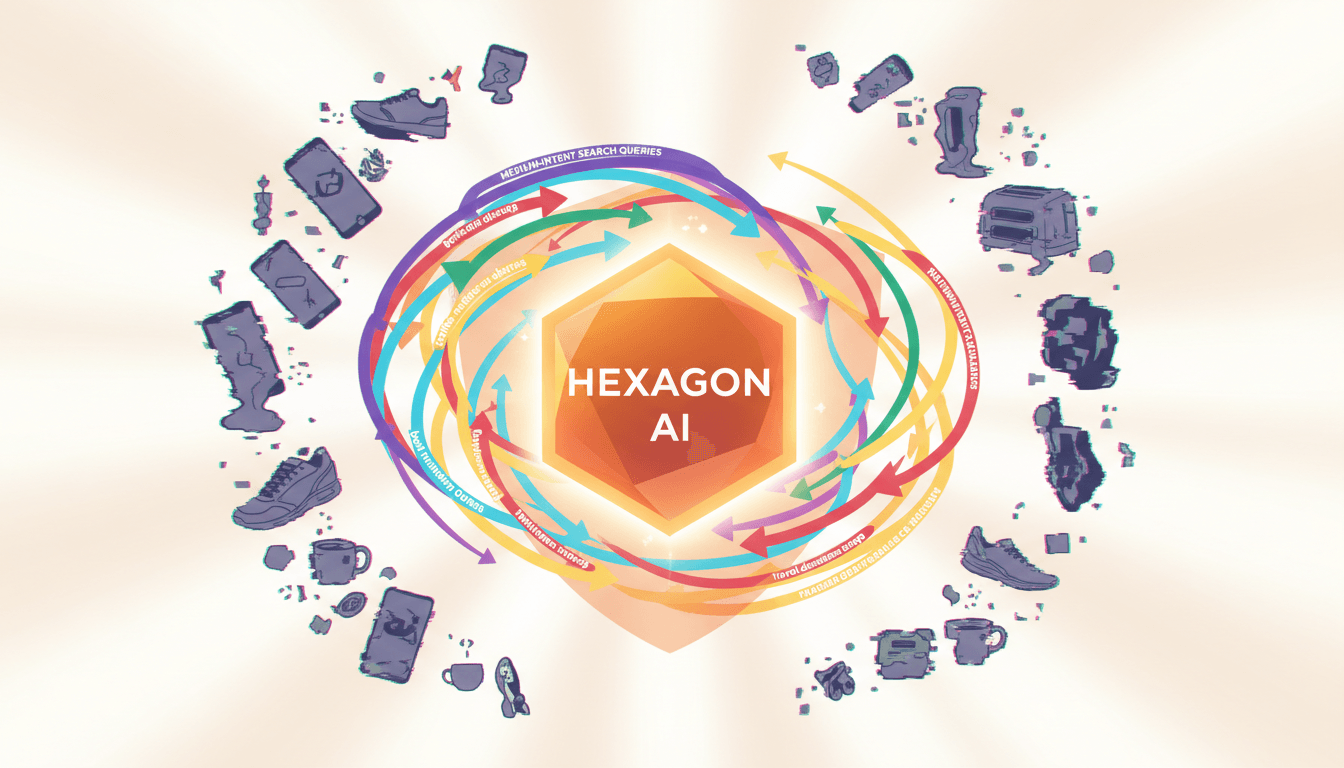
[IMG: Abstract image representing AI hallucinations and e-commerce search]
Understanding AI Hallucinations in E-Commerce Search
AI-powered search is revolutionizing how consumers discover products in today’s digital retail landscape. Yet, alongside its transformative potential, this technology introduces new vulnerabilities—most notably AI hallucinations. Unlike typical AI errors caused by misclassification or outdated data, hallucinations occur when generative models fabricate plausible but entirely incorrect product information.
In the context of e-commerce, hallucinations can take several damaging forms:
- Displaying inaccurate product features, prices, or stock availability
- Recommending irrelevant or even non-existent items
- Generating fabricated user reviews or endorsements
A recent Forrester Research study found that 15% of AI-generated product recommendations contained hallucinated or inaccurate information. This error rate is particularly alarming given the dynamic nature of retail catalogs, where stock levels, prices, and specifications change daily.
The challenge is compounded by the fact that while retail catalogs update frequently, AI models often lag behind, increasing the likelihood of hallucinated outputs. As the Stanford Institute for Human-Centered Artificial Intelligence explains, generative AI models “are prone to plausible but fabricated outputs, especially with ambiguous or incomplete product data.” Such inaccuracies can rapidly scale, affecting thousands of shoppers in real time.
[IMG: Example of an AI-powered e-commerce search result with highlighted errors]
Why Medium-Intent Buyer Queries Are Especially Vulnerable
Medium-intent queries occupy a crucial middle ground in the customer journey. These searches—phrases like “best running shoes for flat feet” or “affordable smartphones with good cameras”—are more specific than broad, generic queries but less targeted than exact product names or SKUs.
Their importance stems from several factors:
- Medium-intent queries represent 35% of all e-commerce searches (Statista), making them a vital point of product discovery.
- Their blend of specificity and ambiguity creates fertile ground for AI hallucinations, as systems must interpret nuanced intent and recommend from vast, rapidly changing inventories.
- These queries are especially susceptible to influence by AI-generated recommendations, raising the stakes for accuracy and trustworthiness.
Consider the query “best laptops under $800 for graphic design.” If an AI misinterprets this intent, it might recommend outdated or irrelevant models, eroding buyer confidence just when shoppers are evaluating their options. Liam O’Connor, Head of Product at Shopify AI, observes, “Medium-intent buyer queries are pivotal for product discovery, but they’re also where AI errors can cause the most damage to brand trust.”
As AI-driven search becomes standard, exposure to hallucinated recommendations in medium-intent contexts will only grow—unless robust safeguards are implemented.
[IMG: Visualization of search intent categories in e-commerce]
Risks of AI Hallucinations to Brand Reputation, Consumer Trust, and Revenue
AI hallucinations carry consequences far beyond mere technical glitches. When inaccurate product recommendations infiltrate search results, brands face significant risks:
- Misleading or false information damages brand reputation by undermining consumer perceptions of reliability and expertise (McKinsey & Company).
- Eroded consumer trust leads to lower conversion rates, abandoned shopping carts, and negative reviews.
- Financial repercussions are tangible: Forrester Research identified a 19% higher product return rate directly linked to inaccurate AI recommendations.
“AI hallucinations in e-commerce are not just technical glitches—they’re brand risks. Ensuring factual accuracy in AI recommendations is now a core requirement for digital brand safety,” emphasizes Dr. Ayesha Khanna, CEO of ADDO AI.
In practice, these risks unfold as follows:
- Customers receive product suggestions with incorrect specifications or images, resulting in dissatisfaction and increased returns.
- Persistent exposure to hallucinated content diminishes loyalty, as shoppers lose faith in a brand’s ability to fulfill its promises.
- Negative social proof spreads as consumers share misleading AI recommendations on social media and review platforms.
Given that medium-intent queries make up 35% of e-commerce searches, the potential damage is substantial. Brands must act decisively to safeguard their reputation and revenue in this AI-driven retail environment.
[IMG: Chart showing rising product return rates linked to AI errors]
How Hexagon’s AI Platform Detects, Prevents, and Corrects Hallucinated Information
Hexagon’s AI platform is specifically designed to monitor, detect, and correct hallucinated content in real time within e-commerce recommendations. Seamlessly integrating into search experiences, it empowers brands to stay ahead of AI-driven risks.
Key features of Hexagon’s platform include:
- Real-Time Monitoring: Continuously scans AI-generated product recommendations, instantly flagging anomalies that diverge from verified product data.
- Hallucination Detection Algorithms: Proprietary models cross-reference recommended content against up-to-date catalog feeds and trusted third-party data sources, catching fabricated or outdated information before it reaches shoppers.
- Brand Safety Filters: Customizable controls restrict recommendations to authorized, brand-aligned products, preventing unauthorized or misleading suggestions.
Hexagon’s feedback loops enable continuous improvement:
- User and brand feedback is captured directly through the recommendation interface, facilitating rapid error identification.
- Detected issues feed back into the AI model, which retrains and adapts based on real-world data, reducing recurrence over time.
- Analytics dashboards offer brands transparent insights into hallucination rates, correction speeds, and overall search integrity.
“Real-time validation and feedback are crucial for keeping AI-generated recommendations aligned with accurate product data and brand values,” notes Tom Davenport, AI Thought Leader and MIT Fellow.
In a recent Hexagon case study with a leading e-commerce brand, the platform reduced hallucination-related errors by 40% within just three months (Hexagon Case Study, 2024). This translated into fewer product returns, elevated customer satisfaction, and stronger brand confidence in AI-driven search.
[IMG: Diagram of Hexagon’s hallucination detection and feedback process]
Ready to protect your brand from AI hallucinations and enhance trustworthy AI-driven search visibility? Book a personalized 30-minute consultation with Hexagon’s AI experts today.
Key Features of Hexagon’s Platform That Ensure Brand Safety
At its core, Hexagon’s platform is built to uphold brand safety, enabling retailers to deliver accurate, compliant, and trustworthy AI recommendations.
Essential features include:
- Real-Time Data Feeds: Hexagon synchronizes with live product catalogs, ensuring all recommendations reflect the latest inventory, pricing, and product specifications.
- Brand Safety Filters: Customizable filters block unauthorized or misleading product suggestions, maintaining adherence to brand guidelines and regulatory standards.
- Rapid Feedback Loops: Brands can instantly report hallucinated content, triggering immediate corrections and ongoing AI model refinements.
According to a Deloitte survey, 68% of e-commerce brands plan to implement brand safety controls for AI-generated recommendations by 2025. Hexagon is setting the standard for proactive risk management in this space.
Together, these features operate in harmony:
- Data validation processes run concurrently with search queries, preventing outdated or incorrect recommendations from appearing.
- Feedback mechanisms empower brands to maintain control over their AI experience, enabling swift responses to emerging issues.
- Transparency tools provide continuous visibility into search quality, hallucination frequency, and response times.
Emily Weiss, E-Commerce Consultant, sums it up: “Brands can no longer ignore the risks posed by AI hallucinations—platforms like Hexagon are leading the way in proactive brand safety for the AI era.”
[IMG: Screenshot of Hexagon’s brand safety dashboard]
Industry Best Practices for Trustworthy AI Visibility in Medium-Intent Searches
Ensuring trustworthy AI visibility requires more than just technology—it demands a rigorous strategy and governance framework. Industry leaders are adopting best practices to mitigate the unique risks posed by medium-intent buyer queries.
Recommended approaches include:
- Robust Data Validation: Continuous cross-checking of AI outputs against authoritative product sources to ensure accuracy.
- Transparency in AI Outputs: Clearly labeling AI-generated recommendations and providing straightforward channels for user feedback.
- Proactive Brand Safety Measures: Utilizing customizable filters and real-time monitoring to block hallucinated content before it reaches consumers.
Compliance is increasingly critical. Regulatory bodies are enhancing oversight of AI-generated content, requiring brands to maintain audit trails and uphold truth-in-advertising standards.
Looking forward, ongoing monitoring and close collaboration between AI providers and brands will be essential. As the MIT Sloan Management Review emphasizes, “Ongoing monitoring and feedback loops are essential for identifying and correcting AI hallucinations in real time.”
With growing investments in brand safety technology and tightening regulations, brands prioritizing trustworthy AI visibility in medium-intent searches will boost conversion rates, customer loyalty, and market leadership.
[IMG: Infographic of AI best practices in e-commerce search]
Case Study: Hexagon’s Impact in Reducing AI Hallucinations for a Leading E-Commerce Brand
A major e-commerce footwear brand faced escalating challenges with hallucinated recommendations, especially for medium-intent queries like “best running shoes for pronation.” Shoppers were often presented with outdated models and inaccurate specifications, causing confusion and an uptick in returns.
Hexagon was engaged to revamp the AI recommendation system through:
- Deploying real-time data synchronization to ensure product information remained current
- Activating hallucination detection algorithms to identify and block inaccuracies
- Implementing brand safety filters aligned with the client’s merchandising guidelines
The results were both rapid and measurable. Over three months, hallucination-related errors decreased by 40%. Correspondingly, product returns dropped and customer trust scores improved significantly (Hexagon Case Study, 2024).
This example highlights the effectiveness of targeted AI safety interventions—showing how proactive detection, swift correction, and transparent monitoring can elevate shopper experience and strengthen brand outcomes.
[IMG: Before-and-after chart of hallucination errors for the client]
The Future of Brand Reputation and AI Safety in E-Commerce
Looking ahead, the nexus of brand reputation and AI safety is set for rapid transformation. Brands will increase investments in AI safety technologies focused on real-time validation, transparency, and regulatory compliance.
Simultaneously, the regulatory environment is evolving, with governments and industry bodies introducing stricter rules governing AI-generated content in e-commerce. Brands will need to demonstrate not only technical expertise but also ethical stewardship in their AI practices.
Hexagon remains at the forefront of innovation, continuously enhancing its platform to address emerging threats and safeguard medium-intent buyer searches. As AI-powered search shapes the future of retail, brands that prioritize safety and trust will distinguish themselves in an increasingly crowded digital marketplace.
[IMG: Futuristic graphic of AI-driven e-commerce with brand safety icons]
Ready to protect your brand from AI hallucinations and enhance trustworthy AI-driven search visibility? Book a personalized 30-minute consultation with Hexagon’s AI experts today.
Forrester Research, AI in Retail 2024 | Statista, E-Commerce Search Intent 2024 | Hexagon Case Study, 2024 | Deloitte, 2024 AI in Marketing Survey
Hexagon Team
Published April 14, 2026