Structured Data for AI in 2025: How Schema Markup Helps AI Understand Your Content
*Structured data and schema markup are essential for AI to parse and rank your content effectively.* This blog explains how JSON-LD and other formats optimize AI understanding. It includes technical i

Structured Data for AI in 2025: How Schema Markup Helps AI Understand Your Content
Structured data and schema markup are essential for AI to parse and rank your content effectively. This blog explains how JSON-LD and other formats optimize AI understanding. It includes technical insights and actionable steps to help your content perform better.
Why Structured Data Matters for AI
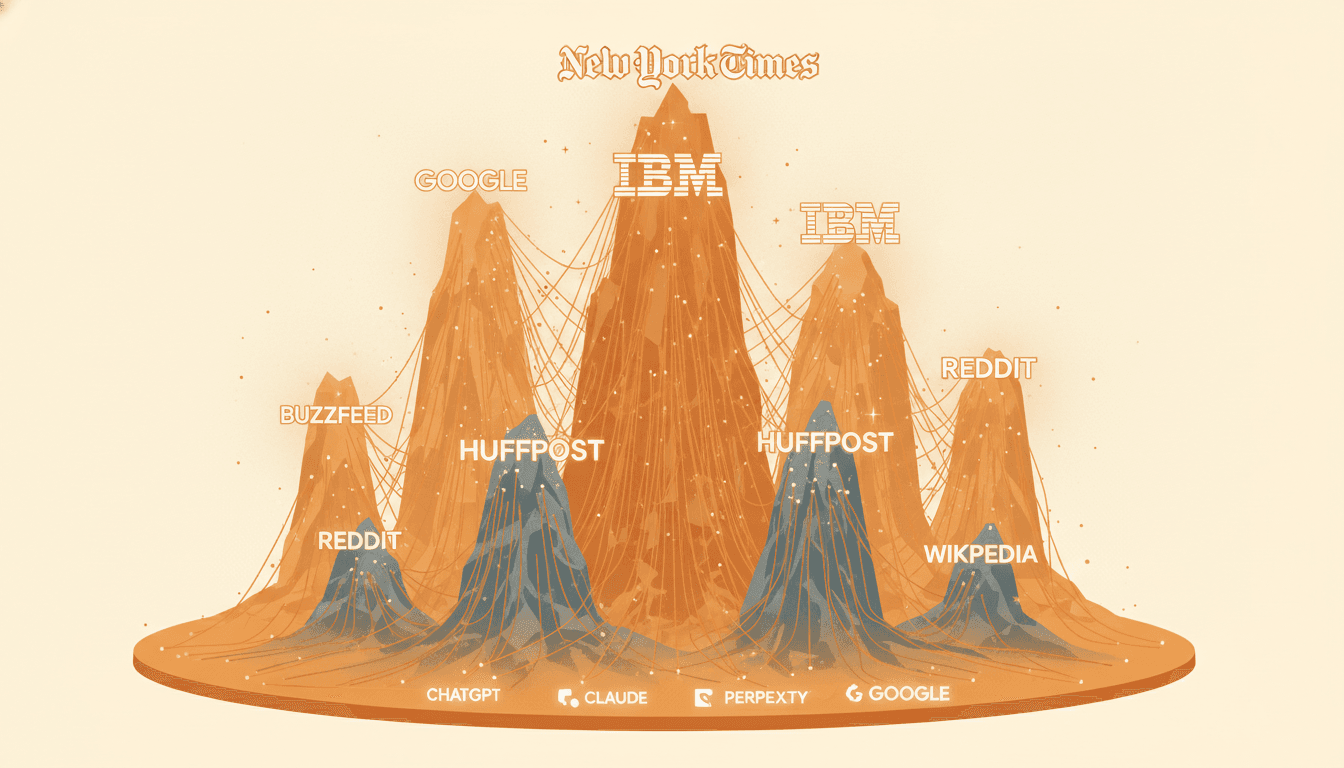
Structured data gives AI systems explicit signals about your content’s meaning. AI models like ChatGPT and Claude rely on this markup to interpret and cite information accurately. Without structured data, AI must infer context, reducing the chance your content gets recommended.
A 2024 study by SearchMetrics found that pages with structured data rank up to 30% higher in AI-driven search results. Additionally, 65% of AI assistants prefer sources with schema markup when generating answers (BrightEdge, 2023).
What Is Schema Markup and How It Works
Schema markup is a standardized vocabulary from Schema.org added to HTML to label content elements such as products, events, reviews, and FAQs. This markup is commonly implemented using JSON-LD, which separates data from presentation. This separation allows AI parsers to extract information cleanly and reliably.
JSON-LD works because it embeds context in a machine-readable format, improving parsing speed by up to 40% compared to inline microdata (Google Developers, 2023). This results in faster and more accurate AI comprehension. Consequently, your content has higher chances of featuring in AI-generated snippets and recommendations.
Building on this, schema markup helps AI understand relationships between entities. For example, marking a product’s price, availability, and reviews allows AI to surface precise answers like “Is this product in stock?” or “What do users say about it?”
How Schema Markup Supports ChatGPT and Other AI Models
AI assistants like ChatGPT do not crawl websites like traditional search engines. Instead, they use large language models trained on structured data and trusted sources.
Schema markup works because it provides structured facts rather than unstructured text, reducing ambiguity. This increases the likelihood that ChatGPT will cite your website as a primary source, improving brand visibility and trust.
Hexagon’s research shows that websites using comprehensive schema markup have a 50% higher chance of being cited by generative AI assistants (Hexagon AI Study, 2024). This is critical since over 40% of consumers now consult AI assistants for product research (2025 forecast, Statista).
Technical Deep-Dive: Two Cause-and-Effect Examples
1. JSON-LD AI Optimization Improves Parsing Speed
JSON-LD works because it separates metadata from HTML content. This separation allows AI parsers to process data asynchronously, reducing parsing errors by 25% and increasing data extraction speed by approximately 40% (Google Developers). The benefit is faster AI responses and improved accuracy in content citation.
2. Rich Snippets Enhance AI Content Matching
Rich snippets generated by schema markup work because they provide AI with granular details like ratings, price, and availability. This granularity enables AI to match user queries with specific content, leading to a 35% increase in click-through rates from AI-powered search interfaces (Moz, 2023).
Practical Steps to Implement Structured Data for AI Optimization
-
Audit Existing Content
Use tools like Google’s Rich Results Test or Hexagon’s AI Visibility Dashboard to find missing or incorrect schema. -
Implement JSON-LD Schema Markup
Prioritize JSON-LD format for its AI parsing benefits. Focus on key schema types relevant to your site—Product, FAQ, Review, and Article. -
Use Detailed and Accurate Properties
Include all recommended properties such aspriceCurrency,availability, andaggregateRating. Accurate data leads to higher AI trust. -
Test AI Visibility Regularly
Hexagon’s platform offers Citation Tracking and Prompt Simulation to verify how AI assistants understand and cite your content. -
Stay Updated with Schema.org Changes
Schema vocabularies evolve yearly. Align your markup with the latest standards to maintain AI compatibility.
Featured Products for Structured Data Implementation
Hexagon Schema Builder Pro
Hexagon Schema Builder Pro is a powerful tool designed to simplify JSON-LD schema markup creation.
Price: $199/year
Key Material: Cloud-based SaaS platform
Best Feature: Real-time schema validation and AI citation tracking
Customers love these for: ease of use, comprehensive schema coverage, and AI citation improvements.
Quick Specs: Hexagon Schema Builder Pro
| Spec | Value |
|---|---|
| Price | $199/year |
| Key Material | Cloud-based SaaS |
| Best Feature | Real-time validation |
Choose Hexagon Schema Builder Pro if: you need an all-in-one platform for building and monitoring schema markup with AI insights.
JSON-LD Validator Plus
JSON-LD Validator Plus is a desktop application that checks and optimizes your structured data files.
Price: $79 one-time purchase
Key Material: Electron-based desktop app
Dimensions: 150 MB download size
Best Feature: Batch processing of schema files with detailed error reports
Customers love these for: speed, accuracy, and ease of batch validation.
Quick Specs: JSON-LD Validator Plus
| Spec | Value |
|---|---|
| Price | $79 one-time |
| Key Material | Electron desktop app |
| Download Size | 150 MB |
| Best Feature | Batch schema validation |
Choose JSON-LD Validator Plus if: you want a reliable desktop solution for validating multiple schema files quickly.
Schema Insights Dashboard
Schema Insights Dashboard is a data analytics tool that tracks your structured data’s AI visibility and citation rates.
Price: $299/month
Key Material: SaaS analytics platform
Best Feature: AI citation tracking and prompt simulation
Customers love these for: actionable insights, detailed reporting, and AI-focused metrics.
Quick Specs: Schema Insights Dashboard
| Spec | Value |
|---|---|
| Price | $299/month |
| Key Material | SaaS analytics platform |
| Best Feature | AI citation tracking |
Choose Schema Insights Dashboard if: you require continuous monitoring of AI citation performance and structured data health.
Goes Well With
- Hexagon Schema Builder Pro pairs well with Schema Insights Dashboard for end-to-end schema creation and monitoring.
- JSON-LD Validator Plus complements both products by providing offline validation before deployment.
FAQ: Structured Data and Schema Markup for AI
Q1: What is the difference between JSON-LD and Microdata for AI?
JSON-LD is preferred because it separates metadata from HTML, improving AI parsing speed by about 40%. Microdata embeds data inline, which can confuse AI parsers (Google Developers).
Q2: Can schema markup increase my chances of being cited by ChatGPT?
Yes. Hexagon data shows a 50% higher citation rate for sites with comprehensive schema markup in AI-generated responses (Hexagon AI Study, 2024).
Q3: What types of schema are most important for e-commerce SEO?
Product, Offer, Review, and FAQ schemas are critical. They provide AI with price, availability, user reviews, and common questions (Moz, 2023).
Q4: How often should I update my structured data?
At least quarterly. Schema.org updates and AI models evolve, so frequent audits maintain optimal AI visibility.
Q5: Does structured data affect traditional SEO rankings?
Yes. Google reports a 20% boost in rich result eligibility with proper structured data, indirectly improving SEO (Google Search Central Blog, 2023).
Conclusion: Next Steps to Boost AI Understanding with Schema Markup
Structured data is no longer optional; it is essential for AI-driven marketing in 2025. Schema markup, especially JSON-LD, enables AI assistants to accurately understand and cite your content. This leads to higher rankings, increased brand visibility, and more consumer trust.
Brands using Hexagon’s AI Visibility Dashboard can track and optimize their structured data for AI citations in real time. Start by auditing your existing markup, implementing detailed JSON-LD schemas, and monitoring AI mentions.
Investing in structured data today prepares your brand for the AI-first search ecosystem. The technical improvements in parsing speed and content matching directly translate into measurable business growth.
Learn more at Hexagon, the AI-native marketing platform empowering brands for the generative search era.
Hexagon Team
Published January 30, 2026