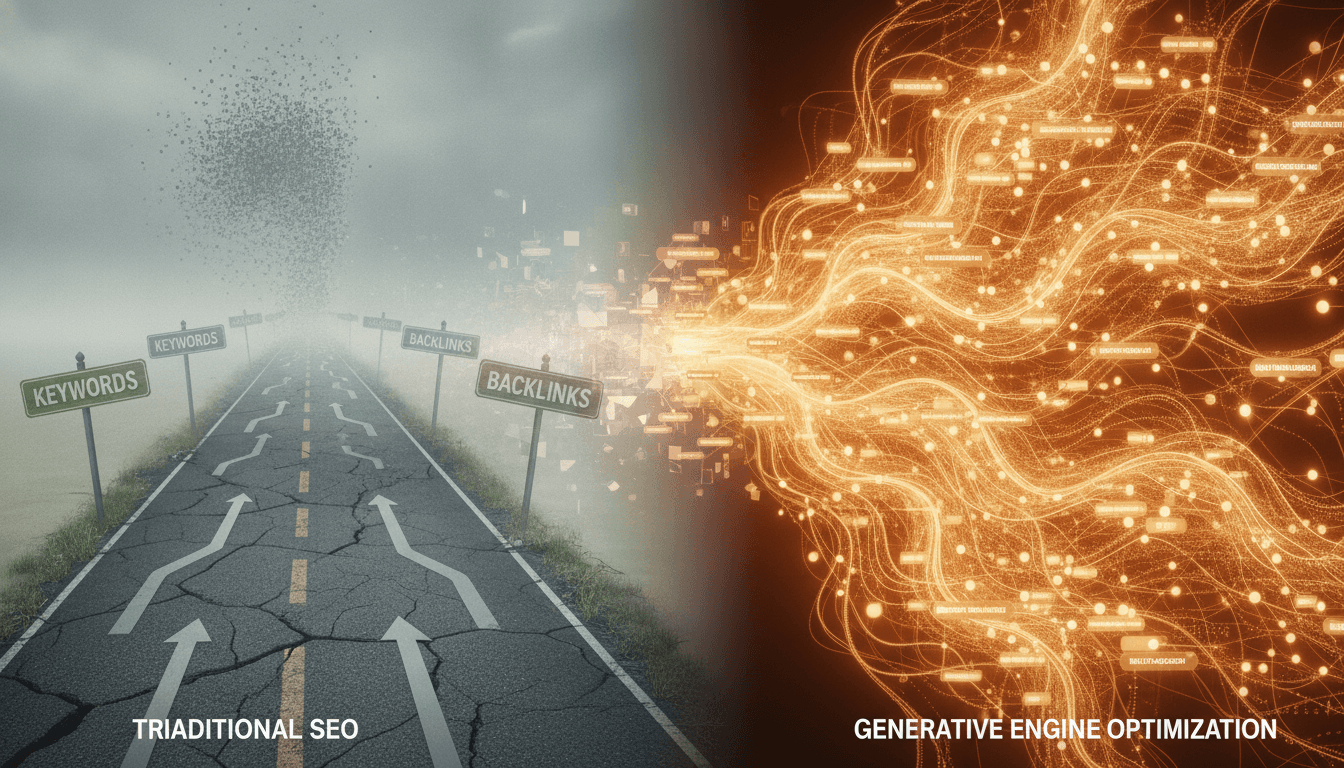
The Future of AI Search Algorithms: How E-Commerce Brands Should Prepare for 2027
AI-powered search is reshaping e-commerce at an unprecedented pace. Discover how generative, multimodal, and context-aware algorithms will redefine product discovery—and learn actionable strategies to future-proof your brand for 2027 and beyond.

The Future of AI Search Algorithms: How E-Commerce Brands Should Prepare for 2027
AI-powered search is revolutionizing e-commerce faster than ever before. Explore how generative, multimodal, and context-aware algorithms will transform product discovery—and discover practical strategies to future-proof your brand for 2027 and beyond.
The landscape of AI search algorithms is evolving at breakneck speed, fundamentally changing how consumers discover and interact with e-commerce brands. By 2027, generative, context-aware, and multimodal AI engines will dominate search, rendering traditional SEO tactics obsolete. Brands that fail to adapt risk losing visibility and sales to competitors who master the emerging discipline of Generative Engine Optimization (GEO). This guide uncovers the critical shifts on the horizon for AI search algorithms and offers actionable strategies for e-commerce brands to stay ahead in an AI-driven marketplace.
Are you ready to future-proof your e-commerce brand’s AI search strategy? Book a 30-minute consultation with Hexagon’s AI marketing experts today.
Understanding the Evolution: What Will AI Search Algorithms Look Like in 2027?
The next generation of AI search algorithms is set to redefine how e-commerce brands are discovered. By 2027, over 70% of product searches will be handled by AI-powered, generative search engines rather than traditional keyword-based platforms (Gartner). This represents a seismic shift away from the keyword-centric optimization strategies that have dominated digital marketing for decades.
Already, search engines have moved beyond simple keyword matching. They now leverage generative AI and large language models to interpret user intent, deliver context-aware results, and generate answers dynamically. For instance, conversational queries like “Show me eco-friendly running shoes for flat feet under $100” are parsed and answered in real time, drawing from multiple data sources.
The rise of multimodal search capabilities is accelerating rapidly. Soon, AI engines will process text, voice, and image inputs simultaneously—rewarding brands that optimize across all these formats. Voice and AI-powered visual search are projected to account for 35% of all e-commerce search queries by 2027 (Statista). This means brands must expand their content strategies to include high-quality product imagery, rich metadata, and voice-optimized copy.
Algorithm update cycles are also accelerating. The average interval between major AI search algorithm updates has shrunk from 12 months in 2019 to less than 6 months today (Moz). Each update brings greater sophistication, compelling brands to adopt agile, data-driven workflows to stay competitive.
Moreover, regulatory and ethical frameworks are increasingly shaping AI search design. Transparency and explainability have become non-negotiable, as regulators demand understandable and fair product recommendations (World Economic Forum). Brands must strike a delicate balance between personalization and consumer privacy while ensuring compliance.
To prepare for this evolution, e-commerce brands should:
- Audit current content formats for multimodal readiness.
- Invest in structured data and schema markup for products.
- Monitor AI search algorithm updates and adjust workflows promptly.
- Stay ahead of regulatory trends by prioritizing transparency and ethical AI usage.
[IMG: Illustration of a futuristic AI search engine interface with multimodal inputs: text, voice, and image]
Looking forward, only those brands that embrace these AI-driven changes will maintain visibility and relevance in a rapidly transforming search environment.
The Rise of Generative Engine Optimization (GEO): Why It Will Eclipse Traditional SEO
Generative Engine Optimization (GEO) is rapidly becoming the new standard for digital visibility. Unlike traditional SEO, which focuses on static keywords and backlinks, GEO centers on optimizing for AI-generated search results and virtual assistants. As Satya Nadella, Chairman and CEO of Microsoft, states: “The future of search is AI-first, multimodal, and deeply personalized—brands must treat AI assistants as the new gateways to product discovery.”
Ranking factors are undergoing a dramatic transformation. AI search engines now prioritize content quality, context, user intent, and trust signals over mere keyword density. Structured data, schema markup, and authentic user-generated content have become essential for surfacing on generative AI platforms (Google AI Blog). GEO aligns perfectly with e-commerce objectives by enabling personalization and dynamic content delivery, as AI models tailor recommendations uniquely for each shopper.
Early adopters are reaping significant rewards. E-commerce brands that embraced AI-first search optimization in 2023 experienced double the conversion rates compared to those relying on traditional SEO methods (Salesforce, State of Commerce). This trend will only intensify as AI search engines grow more sophisticated.
GEO is reshaping optimization in several key ways:
- Content must be structured with rich metadata and schema for seamless AI parsing.
- User-generated content—such as reviews and Q&A—is heavily weighted by recommendation algorithms.
- Real-time behavioral data drives dynamic product displays and search results, diminishing the value of static keyword targeting.
- GEO best practices include optimizing for conversational queries, multimodal search, and AI assistants like ChatGPT, Claude, and Google Assistant.
Rand Fishkin, Co-founder of Moz & SparkToro, highlights: “Generative Engine Optimization is not just a buzzword; it’s the next evolution of being found online. Structured data and trust signals will be the currencies of AI-driven visibility.”
The takeaway for brands is clear: adapt to GEO or risk fading into obscurity as AI-powered discovery surpasses traditional search.
[IMG: Diagram showing the shift from keyword-based SEO to generative engine optimization, highlighting structured data and user-generated content]
Personalization and Real-Time Behavioral Data: The New Frontier in E-Commerce AI Search
Personalization is fast becoming the cornerstone of AI-driven e-commerce search. Modern AI search algorithms leverage real-time behavioral and contextual data to deliver dynamic product recommendations finely tuned to each user’s preferences and actions (Harvard Business Review). This marks a definitive break from static keyword strategies, demanding adaptive content approaches.
By 2027, AI-driven product recommendations are projected to increase by 40% compared to 2023, fundamentally reshaping how consumers discover products online (Forrester). Furthermore, 55% of e-commerce transactions are expected to be influenced by AI-powered search and recommendation engines by 2025 (McKinsey Digital). These shifts underscore the urgency for brands to develop adaptive content strategies that update in real time.
AI assistants and conversational interfaces are rapidly emerging as primary channels for product discovery. Consumers increasingly rely on voice-activated searches and chatbots to navigate e-commerce platforms. Brands that optimize for these experiences will be best positioned to capture new audiences and drive higher conversions.
To leverage personalization effectively, brands should:
- Implement real-time data collection tools that track user behavior and preferences.
- Utilize AI-driven analytics platforms to extract actionable insights from this data.
- Develop dynamic content modules—such as personalized product carousels and adaptive landing pages—that update automatically based on user signals.
- Optimize content for conversational and multimodal interfaces, ensuring seamless discovery across voice, text, and image inputs.
Amit Singhal, former Head of Search at Google, observes: “AI search algorithms are rapidly outpacing static optimization tactics. Continuous learning and real-time data integration will become table stakes for e-commerce brands.”
It’s no surprise that 68% of consumers now report that AI-powered search tools help them discover new brands and products more effectively (PwC). For e-commerce leaders, investing in the right data infrastructure and personalization strategies is essential to remain competitive.
[IMG: Visual of AI-driven product recommendations adapting in real time as a user browses an e-commerce site]
Actionable Strategies: How E-Commerce Brands Should Adapt Their GEO and AI Search Tactics
Preparing for the future of AI search demands more than incremental tweaks—it requires a comprehensive, proactive transformation. Here’s how e-commerce brands can adapt their strategies to thrive amid rapid algorithmic evolution:
1. Optimize for AI Assistants and Conversational Search Platforms
- Structure product data to be compatible with AI assistants like ChatGPT, Claude, and Google Assistant.
- Develop conversational content that answers natural language queries and supports voice search.
- Regularly audit your brand’s presence on emerging AI-powered shopping platforms.
2. Implement and Maintain Structured Data and Schema Markup
- Use schema markup to define product attributes, reviews, prices, and availability in detail.
- Keep product feeds up to date with rich metadata to ensure seamless AI parsing.
- Invest in automation tools that update schema as product catalogs evolve.
3. Leverage High-Quality User-Generated Content to Boost AI Recommendations
- Encourage customers to share authentic reviews, Q&A, and product photos.
- Showcase user-generated content prominently on product pages.
- Monitor how user content impacts AI search rankings and recommendations.
4. Build Agile Workflows to Keep Pace with Rapid Algorithm Changes
- With major AI search algorithm updates now occurring every 6 months (Moz), establish cross-functional teams to monitor changes and adjust strategies quickly.
- Use A/B testing and real-time analytics to measure update impacts and optimize accordingly.
- Document and refine best practices as new AI search features roll out.
5. Invest in AI Literacy and Data Infrastructure Within Marketing Teams
- Provide ongoing AI education, workshops, and certifications for marketing staff.
- Upgrade data infrastructure to manage real-time behavioral insights and personalization at scale.
- Cultivate a culture of experimentation and continuous learning within your team.
Brands investing in AI-driven optimization consistently see measurable improvements in visibility and conversions. For example, those adopting AI-first GEO strategies report 2X higher conversion rates than traditional SEO users (Salesforce, State of Commerce). Additionally, e-commerce brands with robust structured product data enjoy higher recommendation rates from AI search engines (Google AI Blog).
Looking ahead, agility will be paramount. As algorithm updates become more frequent and complex, brands must implement processes for rapid response and continuous improvement. Consider:
- Integrating AI monitoring tools that alert teams to significant algorithm changes.
- Developing playbooks for swift adaptation of content and data structures.
- Collaborating with AI and GEO experts to stay at the forefront of innovation.
Ready to future-proof your e-commerce brand’s AI search strategy? Book a 30-minute consultation with Hexagon’s AI marketing experts today.
[IMG: Flowchart outlining the actionable steps e-commerce brands should take to adapt to AI search and GEO]
Navigating Regulatory and Ethical Challenges in AI Search Algorithms
As AI search algorithms become central to e-commerce discovery, regulatory and ethical concerns are taking center stage. Transparency and explainability have become essential, with global regulators demanding that AI-driven product recommendations be understandable and fair (World Economic Forum). Brands must ensure their AI systems can justify product placements and recommendations to both consumers and authorities.
Balancing personalization with consumer privacy presents a complex challenge. Worldwide, stricter data protection regulations are being enacted, making it vital for brands to secure clear consent and safeguard user information. Non-compliance risks hefty fines and can severely damage consumer trust—an invaluable asset in the AI era.
Looking forward, brands must prepare for compliance with emerging AI marketing regulations. This includes documenting data usage, maintaining audit trails of algorithmic decisions, and transparently communicating personalization practices to customers. Ethical AI marketing—such as providing opt-outs, avoiding algorithmic bias, and ensuring data fairness—will distinguish trusted brands from opportunistic competitors.
E-commerce brands can navigate these challenges by:
- Prioritizing algorithm transparency and making explainability a core feature of product recommendations.
- Implementing robust data protection measures and privacy-by-design frameworks.
- Staying abreast of regulatory developments and proactively adapting compliance strategies.
- Building consumer trust through clear communication about how AI enhances—not exploits—the shopping experience.
[IMG: Illustration of a balance scale depicting transparency and privacy on one side, personalization and AI performance on the other]
Preparing Your Team and Technology Stack for the 2027 AI Search Landscape
Gaining a competitive edge in the AI-powered search era requires both technological upgrades and organizational shifts. Prioritizing AI literacy and continuous education for marketing teams is essential. Teams must grasp generative AI, multimodal search, and behavioral data analytics to make informed, strategic decisions.
Partnering with AI and GEO experts can accelerate adoption and keep your brand ahead of the curve. External consultants and technology partners bring specialized expertise and proven frameworks for implementing advanced AI search strategies effectively.
Upgrading data infrastructure is equally critical. E-commerce brands need platforms capable of ingesting, processing, and acting on real-time behavioral insights. This foundation supports dynamic content delivery and rapid responses to algorithm changes.
Establishing a culture of continuous optimization is vital. Agile workflows, regular training, and a mindset of experimentation ensure your team stays responsive to fast-moving AI search advancements.
Here’s how to begin:
- Launch AI training programs and certifications for marketing and technical teams.
- Evaluate and invest in advanced analytics and personalization platforms.
- Schedule regular strategy reviews to assess performance and realign with the latest AI search developments.
- Foster collaborative partnerships with AI marketing specialists for ongoing guidance.
[IMG: Team of marketers in a modern workspace collaborating on AI-driven e-commerce strategies with visible data dashboards]
Conclusion: Securing Your E-Commerce Brand’s Future in AI-Powered Search
The rapid evolution of AI search algorithms is transforming every aspect of e-commerce. By 2027, generative, multimodal, and deeply personalized search will become standard—rendering traditional SEO tactics insufficient. Brands that embrace Generative Engine Optimization, real-time personalization, and agile adaptation will be best positioned to capture visibility and fuel growth.
The message is unmistakable: transitioning to GEO-focused strategies is no longer optional. Proactive preparation, investment in AI literacy, and expert partnerships are critical to securing your e-commerce brand’s future in the AI-powered marketplace.
Ready to lead your industry into the next era of e-commerce discovery? Book a 30-minute consultation with Hexagon’s AI marketing experts today.
Hexagon Team
Published February 27, 2026