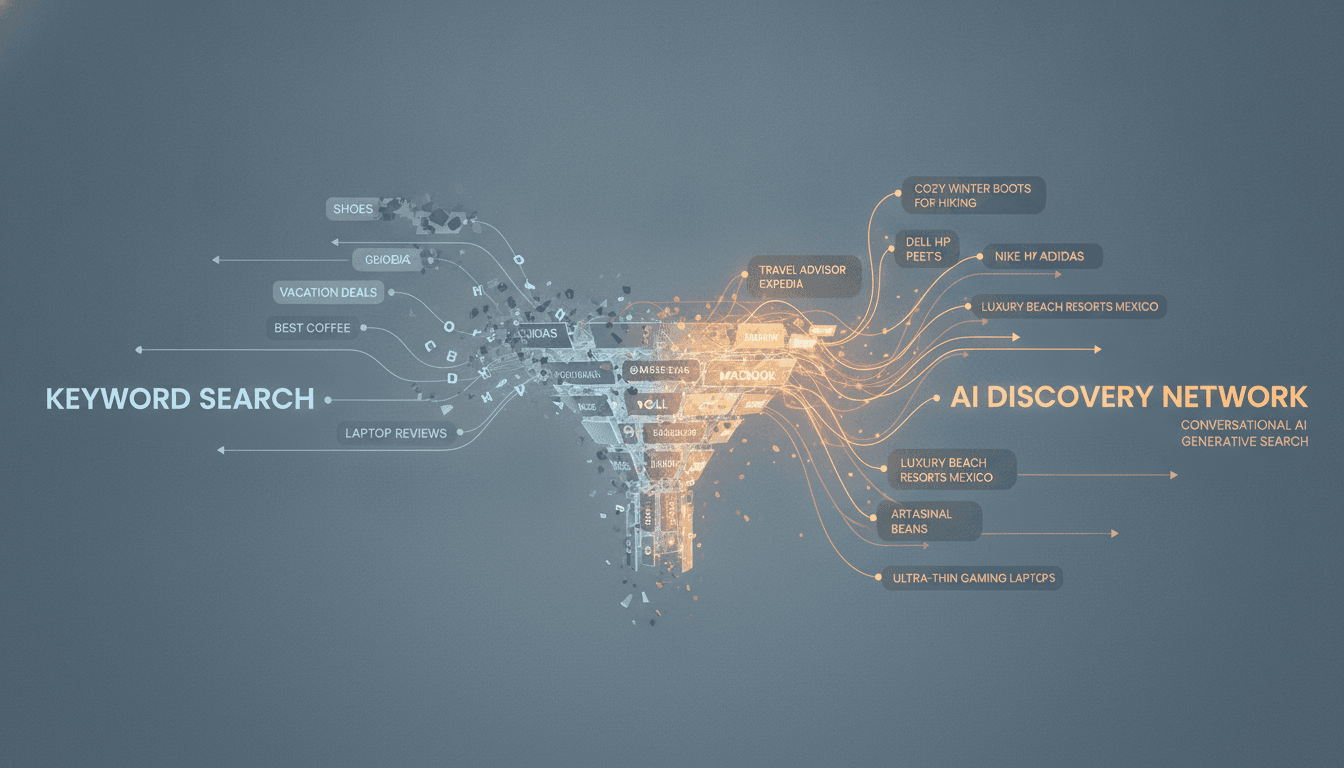
The GEO Content Calendar: Planning for AI Visibility
As AI-powered search engines and assistants increasingly prioritize local relevance, mastering a GEO content calendar is the key to unlocking higher visibility, engagement, and conversions for your brand. This guide offers a step-by-step framework for building, optimizing, and measuring a GEO-driven editorial strategy designed for the AI era.

The GEO Content Calendar: Planning for AI Visibility
As AI-powered search engines and assistants increasingly prioritize local relevance, mastering a GEO content calendar has become the gateway to unlocking higher visibility, engagement, and conversions for your brand. This guide provides a comprehensive, step-by-step framework for building, optimizing, and measuring a GEO-driven editorial strategy tailored for the AI era.
[IMG: Marketer analyzing a city map with content planning notes]
Nearly half of all Google searches carry local intent, and with AI assistants giving growing weight to geographic relevance, mastering your GEO content calendar is no longer optional—it’s essential. In this guide, you will learn how to plan, build, and optimize a GEO editorial strategy that not only drives AI visibility but also boosts local engagement.
Ready to elevate your AI visibility with a customized GEO content calendar? Book a free 30-minute consultation with Hexagon’s AI marketing experts today: https://calendly.com/ramon-joinhexagon/30min
Why a GEO Content Calendar is Essential for AI-Driven Search Optimization
AI is revolutionizing search by shifting the focus from purely keyword-based queries to contextually aware results—especially when geography comes into play. According to Google Think Insights, 46% of all Google searches have local intent, and location-based queries represent nearly half of all mobile searches. AI assistants like ChatGPT, Perplexity, and Google SGE now consistently incorporate geographic context into their recommendations, raising the stakes for brands eager to capture local visibility.
“Content relevance is no longer just about keywords or topics—it’s about being present in the right location and context, particularly as AI search continues to evolve,” explains Lily Ray, Senior Director, SEO & Head of Organic Research at Amsive Digital. Supporting this, BrightLocal research reveals that 70% of AI assistant recommendations are influenced by how well content aligns with a user’s geographic context. Consequently, 61% of content marketers now prioritize local and geographic targeting to optimize for AI search (Content Marketing Institute).
A thoughtfully structured GEO content calendar empowers marketing teams to:
- Systematically plan content tailored to specific locations, seasons, and events
- Align content themes with local SEO and AI optimization opportunities
- Ensure consistent relevance and timely delivery across multiple geographies
“A GEO content calendar is quickly becoming indispensable for marketers aiming to appear in AI-powered local and voice search results,” notes Joy Hawkins, Owner of Sterling Sky & Local SEO Expert. Brands adopting this approach not only enhance discoverability but also drive stronger local engagement and conversions as AI-driven search evolves.
[IMG: Digital content calendar with pinned locations and dates]
Researching and Identifying High-Value Geographic Content Opportunities
Unearthing location-based content opportunities begins with comprehensive local keyword research and competitor analysis. Marketers should leverage AI-powered tools such as Google Keyword Planner, Semrush, and Moz Local to identify trending queries within specific geographies. For instance, examining search volume fluctuations for phrases like “best brunch in Austin” or “Miami tech events” uncovers high-intent local topics ripe for content development.
Equally important is competitor analysis. By studying which businesses rank for local queries and the formats they employ—be it guides, event listings, or reviews—marketers can pinpoint content gaps and discover avenues for differentiation. Additional insights can be gathered from platforms like Google Trends and local business forums, which often highlight emerging topics.
To prioritize your efforts effectively:
- Use local keyword tools to target high-volume, low-competition topics in your chosen geographies
- Analyze competitors’ content strategies to identify underserved locations or themes
- Align content with audience data and business objectives to meet local demand
The business case is compelling: 76% of people who search for something near them visit a business within a day (Google Think Insights). By delivering the right content at the right place and time, brands can convert local searchers into loyal customers. Integrating AI insights into your content planning further enables your team to spot high-potential local topics and seasonal trends before competitors do (HubSpot).
[IMG: Marketer reviewing a local keyword tool dashboard]
Building Your GEO Content Calendar: A Step-by-Step Framework
A robust GEO content calendar transcends a simple spreadsheet—it becomes a strategic asset that directs content creation, publishing, and optimization across multiple locations. Follow this framework to build an editorial calendar that maximizes AI-driven visibility.
1. Define Core Components
Each effective GEO content calendar should capture:
- Location: Target city, region, or neighborhood
- Topic: Content focus aligned with local search intent
- Timing: Publication date synchronized with events and trends
- Format: Blog post, event page, video, guide, or review
- Owner: Assigned team member or collaborator responsible
- Status: Planning, in progress, published, or updated
[IMG: Sample GEO content calendar template with columns for location, topic, timing, and status]
2. Template Walkthrough and Example Entries
A simple spreadsheet or project management tool can serve as your calendar’s foundation. For example:
| Location | Topic | Timing | Format | Owner | Status |
|---|---|---|---|---|---|
| Austin | Best Vegan Brunch Spots 2024 | May 10 | Blog | Sarah D. | Planning |
| Miami | Summer Tech Events Round-Up | June 1 | Guide | Alex R. | In Progress |
| Chicago | Local Art Fair Highlights | July 12 | Article | Mike T. | Published |
| Denver | Winter Outdoor Activities | Dec 1 | Video | Priya S. | Planning |
Currently, no widely adopted GEO-specific content calendar templates exist—an untapped opportunity for innovation (Hexagon Original Research). Customizing your template by adding columns for keyword targets, event tie-ins, and business goals can streamline your planning process even further.
3. Balance Evergreen and Timely Content
An effective calendar balances:
- Evergreen content: Guides, reviews, and resources that maintain relevance year-round
- Timely content: Event previews, seasonal activities, and breaking local news
This blend sustains consistent traffic while capturing spikes from high-intent, time-sensitive searches. Brands that align GEO-targeted content with local events and trends see notably higher engagement in AI-powered search results (Search Engine Land).
4. Quantify the Business Impact
Implementing a structured GEO content calendar can boost local organic visibility by up to 30% (SEMrush Local SEO Study). This increase translates into more qualified traffic and enhanced brand authority at the hyperlocal level.
Best Practices for Aligning Topics, Timing, and Locations in Your GEO Editorial Strategy
Aligning content topics, timing, and locations demands more than guesswork—it requires a dynamic response to local demand and search behavior. Here’s how top-performing teams master this alignment:
- Integrate Local Events and Trends: Consult city calendars, festivals, and seasonal markers to anchor content around what truly matters locally. For example, a “Best Summer Outdoor Activities” guide for Denver will see peak interest as the season approaches.
- Schedule to Match User Intent: Analyze analytics to determine when local audiences search for specific topics. If “Miami tech events” searches spike in spring, ensure your content is published and indexed several weeks beforehand.
- Maintain Consistency Across Geographies: Standardize workflows and messaging while allowing local teams to add relevant nuances. A single editorial calendar can coordinate themes and deadlines but should empower local adaptation.
Brands that synchronize publishing with local events and search trends consistently outperform competitors in AI-powered search (Search Engine Land). This strategic discipline guarantees that every piece of content remains both locally relevant and discoverable—regardless of the market.
[IMG: Editorial team in strategy meeting with city maps and event calendars]
Leveraging Structured Data and Local Schema for Enhanced AI Discoverability
Structured data forms the backbone of how AI interprets and surfaces content in local search results. Schema markup—especially LocalBusiness, Event, and Place schemas—sends clear signals to search engines and AI assistants about a page’s geographic focus.
To maximize impact, implement local schema as follows:
- Add LocalBusiness schema on location pages, including NAP (name, address, phone) and geo-coordinates
- Use Event schema for content tied to local happenings, enabling AI to highlight your guides and listings
- Incorporate Place and Organization schema to clarify your business’s connection to specific communities
AI models increasingly depend on structured data—such as event schema and location markup—to surface relevant content in local results (Google Developers). For example, an Austin restaurant that marks up its events page with Event schema is far more likely to be recommended by AI assistants or appear in “what’s happening near me” searches.
- Use Google’s Structured Data Testing Tool to validate your markup
- Monitor schema-driven improvements in Google Search Console’s Performance reports
“AI assistants seek out structured, locally optimized content when making recommendations. Scheduling this content around local events and trends is a recipe for discovery,” advises Barry Schwartz, Founder of Search Engine Roundtable.
Measuring and Optimizing GEO Content Performance for AI Search
Success in GEO content marketing hinges on continuous measurement and iterative refinement. Focus on these core KPIs to evaluate your performance:
- Local search rankings: Monitor visibility for city- or neighborhood-specific keywords
- Local organic traffic: Segment analytics by location to identify top-performing pages
- Engagement metrics: Track bounce rates, session durations, and local conversion rates
AI-powered analytics tools like Semrush, Moz Local, and Google Search Console’s local insights help reveal which topics and formats resonate best in each market. Use this data to:
- Identify underperforming locations or content themes
- Refine content based on audience behavior and seasonal patterns
- Experiment with new formats or angles in priority geographies
Looking forward, data-driven iterative optimization ensures your GEO content calendar stays aligned with evolving business goals and AI search algorithms.
[IMG: Analytics dashboard showing local traffic and engagement KPIs]
Collaborative Workflows to Maintain a GEO-Focused Editorial Calendar
Creating and sustaining a GEO content calendar requires teamwork. Cross-functional collaboration among SEO, content, and local marketing teams is vital for delivering timely, relevant, and consistent messaging.
Implement these best practices for collaborative GEO content planning:
- Centralized Calendar Tools: Utilize platforms like Asana, Trello, or Airtable to provide shared visibility and streamline updates
- Defined Roles and Workflows: Assign clear ownership for each location, topic, and workflow stage to ensure accountability from ideation through publication
- Regular Alignment Meetings: Schedule recurring check-ins with SEO, content, and local teams to review priorities, share insights, and adjust plans as necessary
GEO content calendars foster improved cross-team collaboration, maintaining consistent local messaging and campaign timing (Content Marketing Institute). For example, a local team can flag an upcoming city event, the content team drafts a relevant article, and the SEO team optimizes it for AI and local search—all coordinated through a single calendar.
- Implement version control and approval workflows to manage updates and uphold quality
- Encourage feedback loops to integrate frontline insights from local teams
“There is a massive opportunity for content teams who develop GEO-driven editorial strategies and calendars, as AI search fundamentally changes how users discover local brands,” says Amanda Milligan, Head of Marketing, Stacker Studio.
[IMG: Team collaborating around a digital editorial calendar displayed on a screen]
Conclusion: Action Steps for GEO Content Success in the Age of AI
As AI-powered search engines and assistants continue to advance, geographic relevance has emerged as the cornerstone of content visibility and local engagement. A well-structured GEO content calendar enables brands to systematically plan, publish, and optimize content tailored to each market—amplifying discoverability, authority, and conversions.
To recap, effective GEO content strategies rest on:
- Rigorous local keyword and competitor research
- Structured, collaborative editorial planning
- Strategic alignment with local events and trends
- Implementation of structured data and schema markup
- Ongoing measurement and data-driven optimization
For brands ready to commit to this strategic approach, the rewards are substantial—a potential 30% boost in local organic visibility and a decisive competitive edge in AI-powered search.
Ready to elevate your AI visibility with a tailored GEO content calendar? Book a free 30-minute consultation with Hexagon’s AI marketing experts today: https://calendly.com/ramon-joinhexagon/30min
[IMG: Confident marketing team celebrating increased local search visibility]
Hexagon Team
Published February 2, 2026