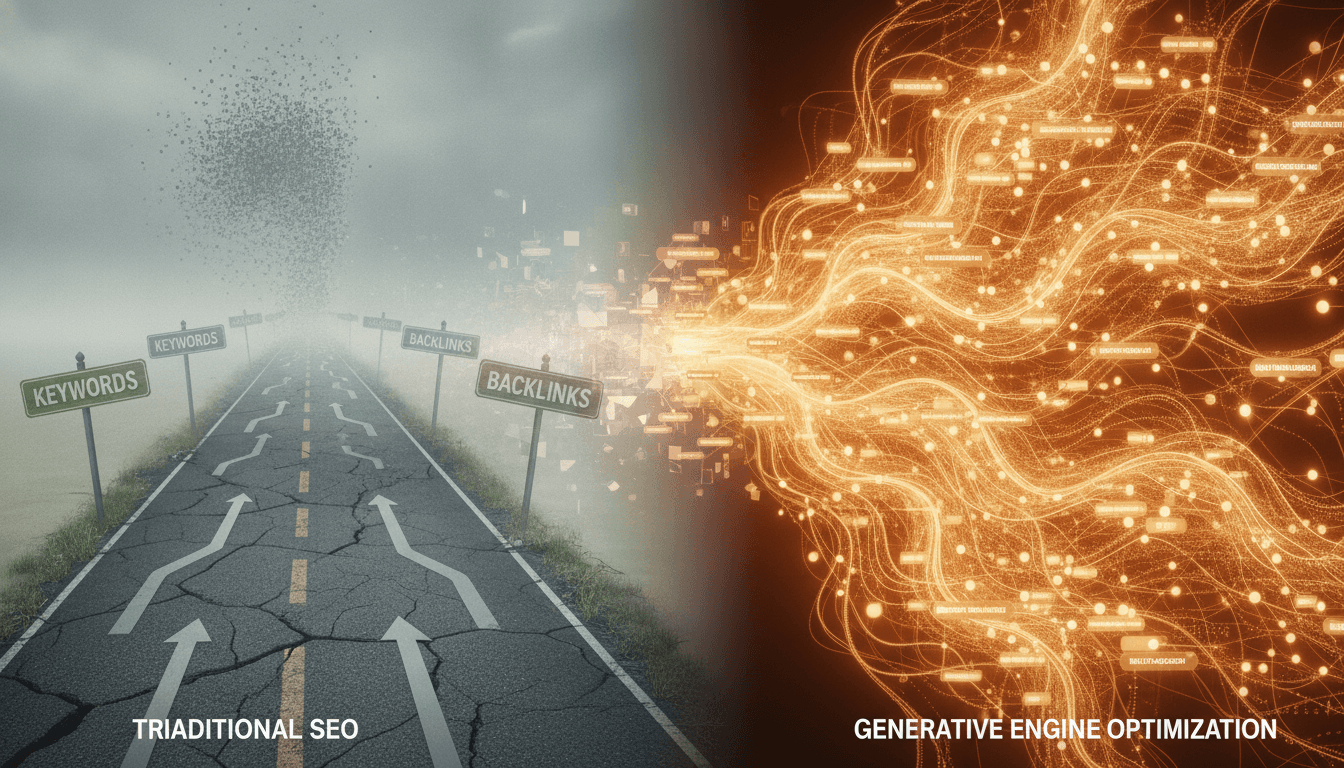
The Ultimate Checklist for Preparing Your Health & Wellness Products for AI Search Recommendations
Is your health & wellness brand being left behind in AI-powered searches? Unlock up to 50% more visibility and revenue with this actionable checklist for optimizing your products for next-gen AI recommendation engines.

The Ultimate Checklist for Preparing Your Health & Wellness Products for AI Search Recommendations
Is your health and wellness brand getting lost in the shuffle of AI-powered searches? Discover how you can unlock up to 50% more visibility and revenue by optimizing your products for the next generation of AI recommendation engines with this practical, step-by-step checklist.
In today’s fast-paced digital world, health and wellness brands that neglect AI-driven search optimization face the risk of fading into obscurity—losing visibility, trust, and ultimately, sales. Shockingly, 78% of health brands overlook crucial AI optimization steps, leaving significant revenue untapped. This ultimate checklist will walk you through proven strategies to prepare your products for AI discovery, boost your search visibility by as much as 50%, and position your brand as a trusted authority in the AI era.
Ready to transform your health and wellness products for AI-powered search and recommendations? Schedule a personalized consultation with Hexagon’s AI marketing experts today to receive your tailored GEO checklist and start dominating AI-driven marketplaces. Secure your 30-minute session now.
1. Conduct a Comprehensive Product Data Audit
[IMG: Health & wellness team reviewing product data spreadsheets and dashboards]
A staggering 78% of health and wellness brands miss at least one critical AI optimization factor in their product listings (Hexagon 2024 Health Brand GEO Readiness Survey). The foundation of AI readiness begins with a thorough product data audit. Without accurate and complete data, your products may never make it onto AI recommendation radars.
Here’s how to kick off your audit:
- Evaluate your existing product data for accuracy, completeness, and alignment with AI schema standards.
- Pinpoint gaps such as missing ingredient lists, outdated certifications, incomplete usage instructions, or inconsistent descriptions.
- Document your findings and craft a clear, actionable plan to address these issues, prioritizing AI schema requirements like ingredient transparency, clinical study evidence, and compliance certifications.
For instance, incomplete or inconsistent ingredient and benefit details are the leading cause of exclusion from AI recommendations (Retail TouchPoints / Hexagon Analysis). Make sure every product attribute is current, accurate, and formatted for machine readability. Brands excelling in AI-driven discovery treat their product feeds like dynamic digital storefronts—rich with structured, precise, and updated information.
2. Implement Robust Structured Data Using Health-Specific Markup
[IMG: Screenshot of Schema.org markup applied to a health product page]
AI assistants have revolutionized how consumers find health and wellness products. Alicia Grayson, VP of Digital Strategy at Hexagon, warns, “Brands that neglect data and content optimization for these platforms risk becoming invisible.” Applying robust structured data is no longer optional—it’s essential.
To make your products AI-readable:
- Apply Schema.org markup specifically designed for health products, using GS1 and specialized health schemas to tag attributes like ingredients, clinical studies, allergen info, and certifications.
- Tag all vital product details, including safety data, efficacy evidence, and third-party certifications.
- Test and validate your structured data with tools like Google’s Rich Results Test to ensure compliance and AI compatibility.
Structured data is a game-changer—over 60% of AI shopping recommendations for health products cite clinical studies or certifications (Perplexity Labs User Analysis). This markup enables AI systems to accurately interpret, categorize, and recommend your products with deeper context. It also significantly improves your product’s chances of appearing in search results and recommendation engines (Google Merchant Center Help).
Benefits of enhanced AI readability include:
- Superior indexing for voice search, chatbots, and digital shopping assistants
- Increased inclusion in curated AI recommendation lists
- Elevated user experience and consumer trust
Transparency regarding ingredients, benefits, and certifications is critical for AI algorithms to trust and recommend health products (Dr. Neha Kapoor, Perplexity AI). Brands that invest in comprehensive, health-specific structured data distinguish themselves as credible leaders in a crowded digital marketplace.
3. Optimize Product Titles, Descriptions, and Imagery for AI Readability
[IMG: Example side-by-side of a generic vs. optimized health product title and description]
Clear, unique, and keyword-rich product titles and descriptions are vital for AI search success. AI algorithms analyze your content for detail, originality, and relevance—generic or duplicate content can lead to demotion and diminished rankings (Google Search Central Blog).
To optimize for AI readability:
- Create concise, keyword-optimized product titles that highlight primary benefits and key ingredients.
- Craft unique, detailed descriptions tailored to each product variant, avoiding generic or repetitive language.
- Use high-quality, relevant images with descriptive alt text to aid AI image recognition and improve accessibility.
Brands that steer clear of duplicate content enjoy higher AI recommendation rates and greater search visibility. Unique, detailed descriptions correlate strongly with improved AI search rankings and better consumer engagement (Shopify Health & Wellness SEO Guide). Rich images and descriptive alt text not only enhance user comprehension but also assist AI models in accurately categorizing and recommending your products.
Key elements of AI-focused content:
- Clearly articulate key features, usage instructions, and benefits
- Address both consumer intent and AI search queries
- Avoid filler or templated copy
Investing in distinctive, well-structured content consistently drives higher AI-driven discovery and conversion rates.
4. Provide Transparent Ingredient Lists, Clinical Backing, and Third-Party Certifications
[IMG: Infographic highlighting clinical studies, ingredient transparency, and certification badges on a health product]
Transparency is the new currency of trust in AI-powered shopping. Both consumers and AI systems demand full ingredient disclosure, evidence-based efficacy, and reputable certifications.
Here’s how transparency boosts AI and shopper confidence:
- Disclose every ingredient, including sources and concentrations where possible, to empower informed decisions.
- Highlight clinical studies and scientific research supporting your product’s safety and effectiveness.
- Prominently display third-party certifications from respected organizations such as NSF, USP, or the Non-GMO Project on product pages.
A recent NielsenIQ Health Shopper Trends survey found that 85% of shoppers trust AI-generated health product recommendations more when detailed ingredient and safety data are provided. Moreover, including clinical and certification data increases AI visibility and trust signals (OpenAI Developer Documentation).
Transparency around ingredients, benefits, and certifications is absolutely essential for AI algorithms to recommend health products (Dr. Neha Kapoor, Perplexity AI). The more transparent your product data, the higher the likelihood your products will surface and be recommended on AI-powered platforms.
For example, over 60% of AI shopping recommendations for health products reference clinical studies or third-party certifications (Perplexity Labs User Analysis). Brands prioritizing transparency consistently outperform their competitors in AI-driven discovery and conversions.
Ready to elevate your health and wellness products for AI-powered search and recommendations? Schedule a personalized consultation with Hexagon’s AI marketing experts today to get your tailored GEO checklist and start dominating AI-driven marketplaces.
5. Maintain Consistent, Up-to-Date Product Feeds Across Marketplaces and AI Platforms
[IMG: Dashboard showing synchronized product feeds across multiple marketplaces]
AI assistants increasingly depend on structured product feeds to generate recommendations. Ensuring your product information is consistent and current across all sales channels and AI platforms is critical for maintaining visibility and trust.
To keep your feeds optimized:
- Synchronize product feeds so they accurately reflect real-time inventory, pricing, certifications, and promotions across every marketplace and platform.
- Automate feed updates using integrated tools tailored for health and wellness brands to ensure compliance and reduce manual errors.
- Regularly audit feeds to detect discrepancies or outdated data that could confuse AI algorithms.
Brands that adopt a comprehensive GEO checklist—including diligent feed maintenance—report up to a 50% increase in AI search visibility within six months (Hexagon Internal Case Studies). In contrast, inconsistent feeds can cause AI systems to skip or deprioritize your products in recommendations.
Looking forward, treating your product feeds as dynamic, rich digital storefronts will be a key differentiator for health and wellness brands aiming for AI-driven growth (Samir Patel, Google). Prioritize feed consistency to unlock your full AI marketplace potential.
6. Actively Manage and Respond to Customer Reviews to Build Trust and Authority
[IMG: Brand manager responding to customer reviews on a product page]
Customer reviews are more than just social proof—they are vital data points for AI search and recommendation algorithms. Sparse or negative review profiles can reduce product visibility by up to 35% in AI-driven recommendations (PowerReviews 2023 Health Product Study).
Maximize the value of reviews with these strategies:
- Encourage authentic, detailed customer reviews for every product.
- Monitor feedback closely and respond promptly, addressing negative reviews constructively to enhance reputation and demonstrate customer care.
- Feature positive reviews prominently on product pages to reinforce trust signals recognized by AI systems.
AI assistants reward health brands that actively manage their online reputation and provide rich, user-focused content (Emily Chen, OpenAI). Effective review management boosts both AI trust signals and consumer confidence, resulting in higher engagement and conversion rates.
For example, brands with robust review profiles and transparent responses consistently outperform competitors in AI-driven discovery. Don’t let neglected reviews undermine your AI visibility—make reputation management a core part of your product optimization strategy.
7. Develop Detailed FAQ and Support Content Addressing Safety, Efficacy, and Regulatory Questions
[IMG: Screenshot of a comprehensive FAQ section on a health product site]
Thorough FAQ and support content are crucial for engaging both AI systems and consumers. Detailed, current answers enable AI to better match user queries with your products, enhancing discoverability and authority.
Enhance your FAQ approach by:
- Creating in-depth FAQ sections covering product safety, efficacy, regulatory compliance, usage instructions, and common concerns.
- Using natural, conversational language optimized for AI-powered voice and chat searches that mirror how customers ask questions.
- Updating FAQ content regularly to reflect regulatory changes, new clinical findings, and emerging consumer inquiries.
Comprehensive support content improves AI’s ability to connect queries with accurate product information (NielsenIQ Health Shopper Trends 2024). Enhanced FAQs also elevate engagement and conversion rates by helping consumers find reliable answers quickly.
As conversational AI and voice-enabled shopping become mainstream, robust FAQ and support resources will be even more critical. Investing in this content area secures your competitive edge in AI-driven health marketplaces.
8. Monitor and Prevent Duplicate or Boilerplate Product Content
[IMG: Comparison of duplicate vs. unique product descriptions in a CMS]
Duplicate or boilerplate content can seriously harm your AI search performance. AI models favor originality and penalize repetitive content, leading to lower rankings and fewer recommendations (Google Search Central Blog).
Protect your AI visibility by:
- Regularly auditing product pages to identify and remove duplicate or templated descriptions.
- Customizing content and metadata for each product variant, ensuring every listing is unique and relevant.
- Prioritizing originality in copywriting and product detail enhancement.
Brands that invest in unique, high-quality product content consistently outperform those relying on boilerplate language. Maintaining originality is no longer just an SEO best practice—it’s a fundamental requirement for AI-driven health and wellness brands.
Conclusion: Future-Proof Your Health Brand for AI-Driven Discovery
Optimizing your health and wellness products for AI-powered search and recommendation engines is no longer a choice—it’s essential for sustained visibility, credibility, and growth. By following this ultimate checklist, your brand can unlock up to 50% more AI search visibility, build lasting consumer trust, and secure a leadership position in the AI-powered marketplace.
- Conduct regular product data audits aligned with AI schema
- Implement robust, health-specific structured data markup
- Optimize titles, descriptions, and imagery for AI readability
- Provide transparent ingredient lists and highlight clinical and certification data
- Maintain consistent, up-to-date product feeds across all platforms
- Proactively manage and respond to customer reviews
- Develop rich FAQ and support content tailored to AI and consumer queries
- Routinely monitor for duplicate or boilerplate content
Looking ahead, brands that invest in AI-driven optimization today will shape the future of health and wellness commerce. Don’t let your products be overlooked by the next wave of digital consumers and AI shopping assistants.
Ready to elevate your health and wellness products for AI-powered search and recommendations? Schedule a personalized consultation with Hexagon’s AI marketing experts today to get your tailored GEO checklist and start dominating AI-driven marketplaces. Book your 30-minute session here.
[IMG: Health & wellness products highlighted in an AI-powered search result interface]
Sources: Hexagon 2024 Health Brand GEO Readiness Survey, PowerReviews 2023 Health Product Study, Perplexity Labs User Analysis, NielsenIQ Health Shopper Trends 2024, Google Merchant Center Help, Shopify Health & Wellness SEO Guide, Retail TouchPoints / Hexagon Analysis, OpenAI Developer Documentation, Google Search Central Blog
Hexagon Team
Published April 14, 2026