What AI Search Means for Brand Building in the Digital Age: A Complete Guide
AI-powered search is transforming brand discovery, loyalty, and reputation. Learn how AI search is reshaping digital brand strategy—and what your brand must do now to remain visible, trusted, and future-proof.

What AI Search Means for Brand Building in the Digital Age: A Complete Guide
AI-powered search is transforming brand discovery, loyalty, and reputation. Learn how AI search is reshaping digital brand strategy—and what your brand must do now to remain visible, trusted, and future-proof.
Introduction: The New Frontier of Brand Building in the AI Era
In the rapidly evolving digital landscape, AI-powered search assistants are revolutionizing how consumers discover and engage with brands. Traditional brand-building tactics—once reliable for driving visibility and loyalty—can no longer guarantee success in a world where algorithms meticulously filter and prioritize every interaction.
Consider this striking forecast: by 2025, a remarkable 61% of consumers say they are likely to use AI-powered assistants for product recommendations (PwC). Simultaneously, 58% of brands report a measurable increase in referral traffic from AI-driven platforms (Forrester). These numbers reveal a profound reality—the rise of AI search is not a fleeting trend but a fundamental transformation rewriting the rules of brand strategy.
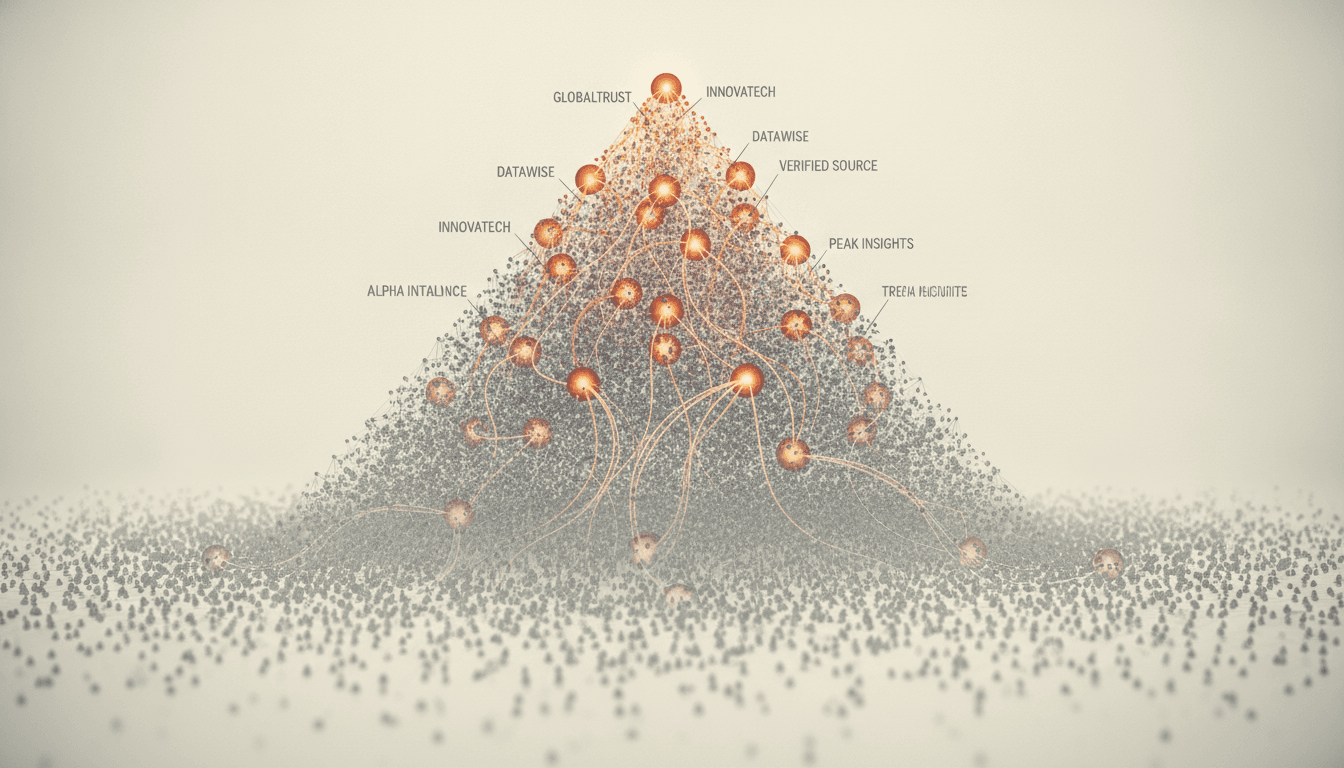
Today, AI search platforms often serve as the very first touchpoint in millions of consumer journeys. Unlike traditional SEO, these advanced systems harness language models and knowledge graphs to deliver highly curated results, frequently surfacing only a handful of recommended brands per query. The brands that thrive will be those fluent in the language of both humans and machines.
This guide dives deep into how AI search is reshaping brand strategy, what it means for your brand’s digital presence, and how to future-proof your brand in this AI-driven era. From optimizing structured data to managing reputation and building trust, you’ll gain actionable insights to navigate and excel in the new AI brand landscape.
Ready to future-proof your brand with a cutting-edge AI brand strategy? Book a free 30-minute consultation with Hexagon’s AI marketing experts today.
[IMG: Illustration of an AI-powered voice assistant recommending brands to a consumer]
How AI Search is Redefining Brand Building
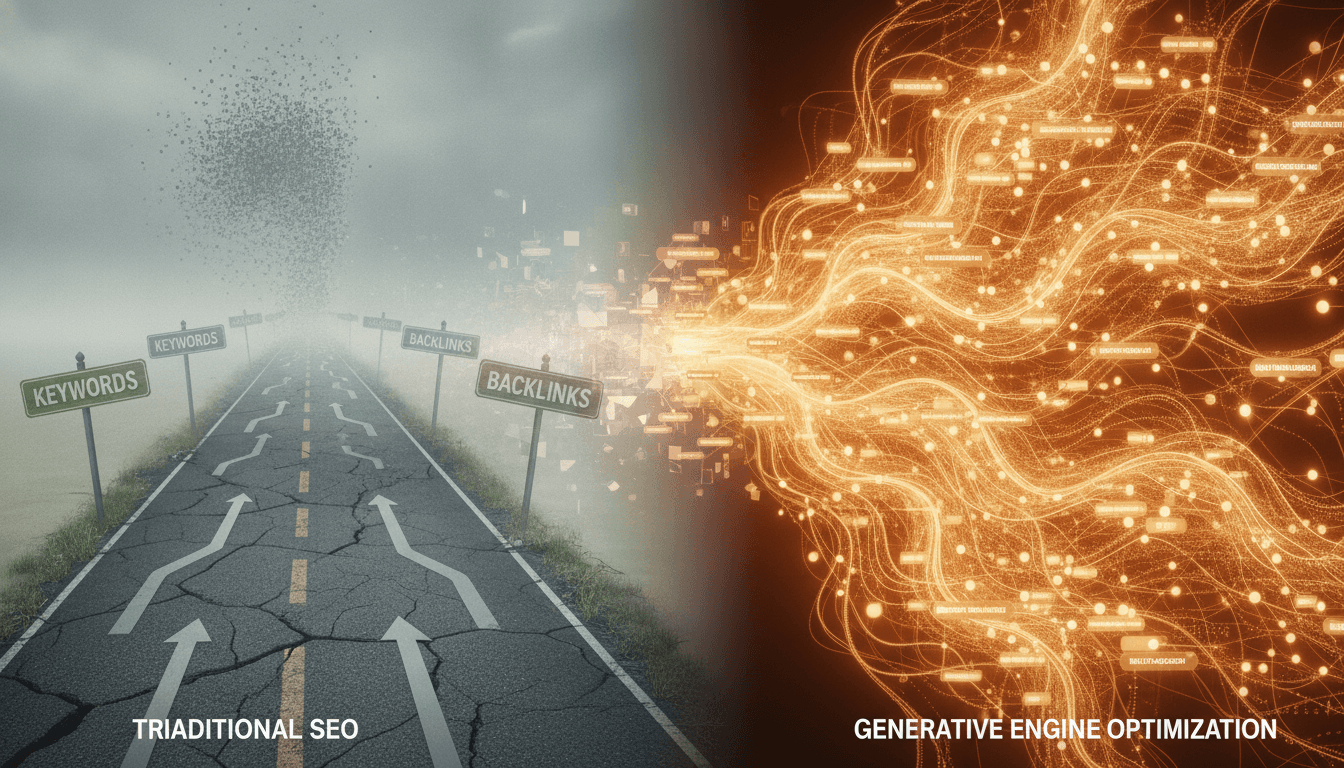
AI search marks a seismic shift—from keyword-driven discovery to conversational, intent-focused engagement. Where classic SEO centered on matching static keywords, today’s AI assistants leverage sophisticated language models and knowledge graphs to interpret user intent, context, and relevance with nuance.
Take this example: when a user asks, “What’s the best running shoe for flat feet?” an AI assistant doesn’t simply list products. Instead, it analyzes structured product data, user reviews, and contextual signals before recommending brands that truly fit the query. This shift opens unique opportunities for brands embracing digital transparency and machine-readable data.
Here’s how AI search is transforming brand discovery:
- Conversational Search: AI platforms process natural language queries, understanding subtle preferences and complex questions.
- Intent-Driven Recommendations: Beyond listing options, AI evaluates context—such as user history, location, and preferences—to surface the most relevant brands.
- Knowledge Graphs: These digital maps connect brand entities, products, and reviews, enabling AI to “understand” relationships and recommend accordingly.
Brands investing in structured data and digital transparency enjoy a tangible edge. According to Search Engine Journal, brands with structured product and brand data are three times more likely to appear in AI assistant queries. This advantage stems from AI systems prioritizing data they can easily parse and verify.
Moreover, AI search platforms frequently serve as the first point of contact for consumers seeking product recommendations (McKinsey). The era of digging through pages of search results is fading fast. Instead, AI-driven systems deliver concise, authoritative recommendations—often limiting consumer choice to a select few brands.
The implication is profound: brand visibility no longer hinges solely on ranking on page one but on inclusion in the few AI-curated options. As Martin Kihn, SVP Strategy at Salesforce Marketing Cloud explains, “AI search is not just another channel; it’s a fundamental shift in how consumers discover and trust brands.”
Looking forward, brands must proactively optimize for inclusion in AI-driven search to remain visible—and competitive—in this rapidly evolving landscape.
[IMG: Flowchart showing how AI search assistants use structured data and knowledge graphs to recommend brands]
Trust, Authority, and Relevance: The New Pillars of AI Brand Strategy
As AI search algorithms become powerful gatekeepers of brand discovery, the criteria for success have evolved. Today, trust, authority, and relevance form the core pillars of effective AI brand strategies.
Here’s how these pillars are reshaping modern brand building:
- Trustworthiness: AI platforms assess brand credibility by analyzing customer reviews, third-party ratings, and digital transparency. Brands that actively foster positive reviews and demonstrate ethical practices are more likely to be recommended.
- Authority: Recognition as an expert or leader in your category is crucial. AI algorithms weigh authoritative content, expert endorsements, and consistent messaging across all digital touchpoints.
- Relevance: AI assistants prioritize brands that align with user context and intent—not just historical popularity. This demands that your brand’s messaging be both tailored and current, resonating with consumers and algorithms alike.
According to Gartner’s 2024 CMO Survey, 74% of marketing leaders say adapting to AI search is now a top priority in their brand strategy. The rationale is clear: AI search elevates factors like trustworthiness, authority, and user reviews in its ranking algorithms (Forrester Research).
Brands can strengthen these pillars by:
- Ensuring Consistent Data and Messaging: Align all brand information across websites, product feeds, and social profiles for accuracy and coherence.
- Proactively Managing Reviews: Encourage, highlight, and respond thoughtfully to customer feedback, showcasing transparency and trust.
- Creating Authoritative Content: Invest in original research, thought leadership, and expert collaborations to build category authority.
“Brands that fail to optimize for AI search risk becoming invisible to tomorrow’s consumers. The winners will be those who understand how to speak the language of both humans and machines,” warns Brian Solis, Global Innovation Evangelist at Salesforce.
Looking ahead, the brands that excel will be those consistently demonstrating trust, authority, and relevance—not only to consumers but to the algorithms shaping every digital interaction.
[IMG: Visual representation of the trust, authority, and relevance pillars in AI search]
Challenges to Brand Loyalty in an AI-Driven Search Landscape
AI-powered assistants are transforming consumer-brand interactions—and with that, challenging traditional notions of brand loyalty. Rather than defaulting to familiar names, AI search recommends a broader, more diverse set of brands based on contextual fit and user intent.
For instance, when a consumer requests “eco-friendly shampoo,” an AI assistant might suggest emerging or lesser-known brands that align closely with the query—irrespective of previous purchase history. This shift diminishes the influence of traditional brand recognition and legacy loyalty.
Here’s how AI search disrupts brand loyalty:
- Diversified Recommendations: AI systems regularly surface alternative brands, expanding consumer options and reducing reliance on legacy favorites.
- Contextual Decision-Making: Suggestions are tailored to real-time factors like location, preferences, and recent behavior—not merely past purchases.
- Reduced Brand Stickiness: Consequently, consumers become more open to trying new brands that meet their immediate needs.
The challenge is clear: maintaining loyalty in an environment where AI prioritizes relevance over reputation. Long-term brand equity no longer rests solely on advertising or history—it depends on consistently delivering personalized, meaningful value.
Brands can respond by:
- Creating Personalized Experiences: Leverage AI and data to tailor offers, communications, and product recommendations for individual consumers.
- Doubling Down on Trust: Emphasize transparency, ethical practices, and active customer engagement to foster lasting relationships.
- Ensuring Omnichannel Consistency: From voice assistants to social media, every digital touchpoint should reinforce your brand promise.
As Harvard Business Review observes, “Brand loyalty is at risk as AI search surfaces alternative brands based on contextual fit and user intent, not just historical preference.” Those who thrive will harness AI-driven insights to deepen customer connections and loyalty.
[IMG: Diagram showing how AI-powered recommendations disrupt traditional brand loyalty]
Optimizing for AI Discoverability: Essential Tactics
With AI assistants now gatekeepers to consumer attention, optimizing for AI discoverability has become imperative. Brands that ascend to the top are those whose data, reviews, and digital presence are meticulously structured for machine understanding.
Here’s how to make your brand AI-ready:
- Structured Product Data: Implement schema markup and machine-readable formats across all product and brand information. This enables AI algorithms to parse and verify details such as specifications, availability, and pricing effortlessly.
- Rich Metadata: Enhance digital assets with comprehensive metadata—images, videos, and product descriptions should be tagged with relevant, standardized fields.
- Knowledge Graph Integration: Accurately represent your brand and products within major knowledge graphs (e.g., Google Knowledge Graph, Amazon, Bing). Keep entries updated with verified information and maintain consistency across platforms.
The impact is clear: brands with structured data are three times more likely to appear in AI queries (Search Engine Journal).
Additional tactics include:
- Leveraging Customer Reviews and Social Proof: AI search elevates user-generated content in rankings. Proactively collect, showcase, and respond to reviews across marketplaces, social media, and third-party platforms. Social proof is a critical trust signal for both consumers and algorithms.
- Maintaining Knowledge Graph Accuracy: Regularly audit your brand’s presence in knowledge graphs, correcting inaccuracies and updating information. Outdated or incorrect entries can cause missed opportunities or damage brand perception.
- Ensuring Data Consistency Across Touchpoints: Align all digital properties—websites, feeds, social profiles—to guarantee data accuracy and minimize confusion for AI systems.
Here’s a quick checklist for AI discoverability:
- Implement schema.org markup on product and brand pages
- Optimize metadata for all digital assets
- Monitor and update knowledge graph entries regularly
- Foster positive reviews and highlight social proof
- Audit for data consistency across all online channels
“The key to future-proof brand building lies in ensuring your data is accurate, structured, and trustworthy—because AI assistants are now your frontline brand ambassadors,” emphasizes Tina Moffett, Principal Analyst at Forrester.
Investing in structured data and review management isn’t just best practice—it’s essential for brand survival in the AI era.
Ready to future-proof your brand with a cutting-edge AI brand strategy? Book a free 30-minute consultation with Hexagon’s AI marketing experts today.
[IMG: Screenshot of a product listing with structured data and positive reviews highlighted]
Managing Brand Reputation in the Age of AI
In an AI-driven digital landscape, brand reputation management extends far beyond traditional human channels. AI systems increasingly influence how your brand is perceived and represented to consumers.
Here’s how AI perception shapes brand reputation—and what you can do to manage it effectively:
- AI Representation: Language models and knowledge graphs synthesize publicly available data, reviews, and third-party sources to “understand” your brand. Inaccurate or negative information can be amplified across digital assistants and recommendation engines.
- Proactive Monitoring: Brands must regularly audit how AI systems present them—from voice assistant responses to knowledge graph entries on major platforms.
According to MIT Sloan Management Review, long-term reputation management now requires actively monitoring and influencing AI training data and knowledge graph content.
To manage your brand reputation in the AI era:
- Implement Real-Time Brand Monitoring: Use AI-powered analytics tools to track your brand’s appearance in search results, voice assistant responses, and knowledge graph listings.
- Establish Rapid Response Protocols: Develop clear processes for quickly updating or correcting information across platforms—especially when addressing negative reviews or misinformation.
- Foster Cross-Disciplinary Collaboration: Effective AI brand management demands close cooperation between marketing, data science, and technology teams. Collaborate on data accuracy, content creation, and issue resolution.
As Boston Consulting Group (BCG) highlights, successful AI brand strategy isn’t siloed. It requires alignment across marketing, tech, and data functions to ensure accurate brand representation at every digital touchpoint.
- Educate and Empower Teams: Train internal stakeholders on AI search dynamics, reputation management best practices, and the critical role of structured data.
Looking ahead, brands that proactively manage their reputation across both human and machine channels will be best positioned to maintain trust and authority in the digital age.
[IMG: Dashboard screenshot of brand monitoring across AI search and knowledge graph platforms]
Building a Future-Proof AI Brand Strategy
In the fast-changing world of AI-powered search, adaptability and agility are non-negotiable for brand survival. Brands must anticipate ongoing changes, ensure impeccable data accuracy, and communicate transparently to maintain trust and relevance.
Here’s how to craft a brand strategy built to last:
- Prioritize Adaptability: The AI landscape evolves rapidly. Brands should regularly review and update data practices, content strategies, and digital assets to stay ahead of algorithmic shifts.
- Ensure Data Accuracy and Transparency: Inaccurate or inconsistent data risks exclusion from AI recommendations—or worse, reputational damage. Conduct frequent audits of all brand and product data, and maintain transparency in every communication.
- Foster Transparent Communication: AI assistants increasingly reward brands that are open about their values, sourcing, and customer relationships. Transparency builds trust with both consumers and algorithms.
According to Gartner, 74% of marketing leaders prioritize adapting to AI search over the next three years. The message is clear: future-proofing your brand demands continuous learning, experimentation, and collaboration.
To stay ahead:
- Assemble agile teams empowered to respond quickly to new AI trends and technologies
- Invest in ongoing education on AI search and data management
- Maintain open communication channels between marketing, data, and technology leaders
As David Edelman, Former CMO at Aetna and Senior Lecturer at Harvard Business School notes, “Long-term brand equity will be built on consistency across AI-driven touchpoints as much as traditional ones.”
Looking forward, future-proof brands will be those that not only adapt to AI search but lead in leveraging it for growth, trust, and differentiation.
[IMG: Futuristic illustration of a brand team collaborating on AI search strategy]
Conclusion: Embracing AI Search as a Brand Building Imperative
AI-powered search is fundamentally reshaping the rules of brand building in the digital age. From how consumers discover products to how they form trust and loyalty, the impact of AI search is profound and far-reaching.
Success in this new era requires moving beyond traditional tactics. Brands must embrace structured data, manage reputation across both human and machine channels, and prioritize trust, authority, and relevance in every interaction. Those that act now—optimizing for AI discoverability and fostering agile, transparent strategies—will be best positioned to lead.
Hexagon empowers brands to navigate and excel in this AI-driven landscape. With expertise in AI-powered marketing, data optimization, and knowledge graph management, Hexagon helps future-proof your brand for sustained visibility and trust.
Ready to future-proof your brand with a cutting-edge AI brand strategy? Book a free 30-minute consultation with Hexagon’s AI marketing experts today.
[IMG: Hexagon logo with tagline “AI-Powered Brand Building”]
Stay ahead of the curve—subscribe to the Hexagon blog for more actionable insights on AI, digital marketing, and brand strategy.
Hexagon Team
Published February 13, 2026